
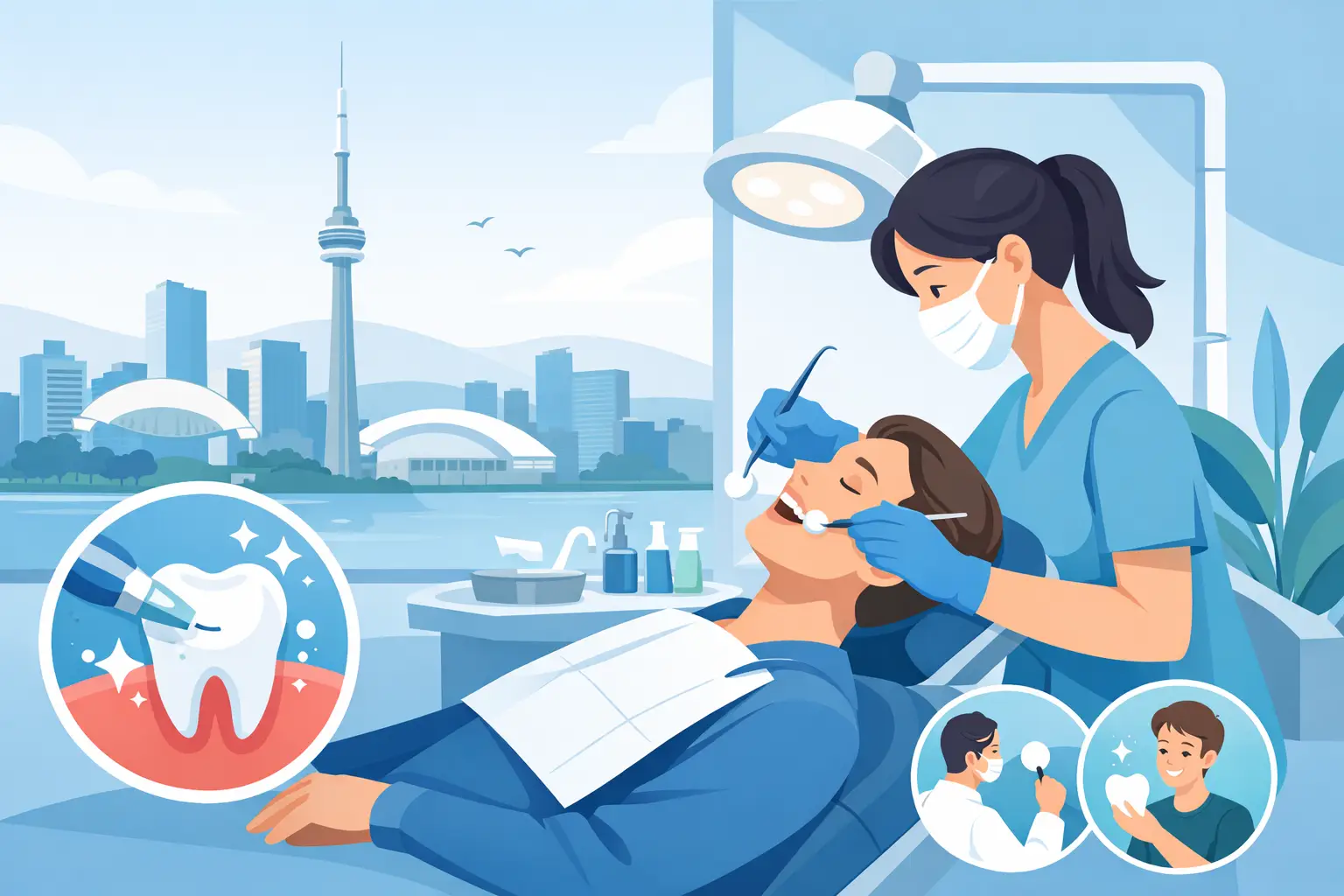
A dental cleaning is one of those appointments that can be easy to postpone until your gums bleed when you brush, your breath feels different, or a small concern becomes harder to ignore. Regular dental cleaning Toronto appointments give you a simple, practical way to stay ahead of those problems while keeping your smile feeling fresh.
For Toronto families, students, and working adults, the best routine is one that is easy to book, clear about costs, and suited to your individual needs. A cleaning visit is not about judgment. It is a chance to remove buildup you cannot fully remove at home, check on your oral health, and ask questions before they turn into bigger concerns.
What Happens During a Dental Cleaning?
Your visit begins with a conversation about how your teeth and gums have been feeling. Let the dental team know about sensitivity, bleeding, jaw discomfort, changes in your health, medications, or anything else that has been bothering you. Even a detail that seems minor can help guide your care.
A hygienist will examine your gums and teeth, then remove plaque and tartar. Plaque is the soft bacterial film that forms throughout the day. Brushing and flossing help remove it, but plaque can harden into tartar in areas that are difficult to reach. Once tartar has formed, it needs to be removed professionally.
The cleaning may include scaling, polishing, and flossing. Scaling removes buildup around the gumline and between teeth. Polishing helps remove surface stains and leaves teeth feeling smooth. If your gums are tender or there is heavier buildup, the appointment may take longer or require a more focused plan. The team should explain what they see and why they recommend any next steps.
Many cleaning appointments also include a dental exam. Your dentist may check your teeth, gums, bite, and existing dental work for signs of decay, gum disease, cracks, or other concerns. X-rays may be recommended when they are needed to see areas that cannot be assessed during a visual exam alone.
Why Routine Cleanings Matter
A clean feeling is a nice benefit, but preventive care is the bigger reason to keep appointments. Gum disease can begin quietly. Early signs may include bleeding when brushing or flossing, swollen gums, persistent bad breath, or gums that seem to be pulling away from the teeth. Addressing these signs early is usually simpler than waiting until there is pain or tooth mobility.
Regular visits also give your dental team a baseline. When they see you over time, they can notice changes in your gums, enamel, bite, or restorations before they become more involved. This can help you make informed choices about your care rather than dealing with an unexpected dental emergency.
For parents, routine cleanings help children build comfort with the dental office. A calm, familiar visit can make future checkups and treatment feel less intimidating. For adults, a consistent cleaning schedule can be especially useful when work, commuting, and family responsibilities make personal care easy to put off.
How Often Should You Book a Dental Cleaning in Toronto?
There is no single schedule that fits every patient. Many people benefit from a cleaning and checkup every six months, but your dentist may recommend more frequent visits if you have gum inflammation, a history of periodontal disease, diabetes, orthodontic appliances, dry mouth, or significant tartar buildup.
On the other hand, some patients with stable oral health may have a different schedule based on their dentist’s recommendation. Your coverage may also include a specific recall frequency. It is worth asking both what your dental needs call for and what your insurance plan covers, since these are not always exactly the same.
The practical goal is consistency. Booking your next visit before you leave the office can take one more task off your list and make it easier to protect your oral health throughout the year.
When a Standard Cleaning May Not Be Enough
A routine cleaning is designed for preventive care. If there is substantial buildup below the gumline or evidence of active gum disease, your dentist may recommend periodontal treatment instead. This is more detailed care focused on cleaning below the gums and helping manage infection and inflammation.
That recommendation can sound concerning, especially if you came in expecting a straightforward cleaning. Ask questions. You should understand what the team found, what treatment is being suggested, how many visits may be needed, and what the expected cost will be before moving forward.
Sensitive teeth can also change the experience. Tell your hygienist before treatment begins if cold water, pressure, or certain areas of your mouth are uncomfortable. Small adjustments, including a gentler approach or sensitivity support, can make the appointment more manageable.
Getting Ready for Your Appointment
You do not need to do anything complicated before a cleaning. Brush and floss as you normally would, arrive a few minutes early if you have forms to complete, and bring your insurance information if applicable. If it has been a while since your last dental visit, be open about it. The dental team is there to help you move forward, not to make you feel guilty.
It can also help to write down questions before you arrive. You might want to ask whether you are brushing effectively, which areas need more attention, whether an electric toothbrush makes sense for you, or how to manage sensitivity. A cleaning appointment is a useful time to get guidance that matches your own mouth and routine.
If you have dental anxiety, mention that when booking. Knowing what to expect and having a team that explains each step can make a meaningful difference. You can also ask for breaks during the visit if you need them.
Clear Costs and Direct Insurance Billing
Cost uncertainty keeps many people from scheduling preventive care. Before treatment, ask for a clear explanation of recommended services and any out-of-pocket amount you may be responsible for. Your insurance coverage can depend on your plan, remaining annual maximum, recall timing, and other details, so it is always wise to confirm benefits.
Parliament Street Dentistry accepts most dental insurance plans and offers direct insurance billing to help reduce the paperwork patients need to manage. Direct billing does not guarantee that every service is fully covered, but it can make the payment process more straightforward. If additional care is recommended, ask for a transparent discussion of fees and available financial arrangements before treatment begins.
That clarity matters because a dental cleaning should feel like a manageable part of caring for yourself and your family, not another confusing administrative task.
Make Your Next Cleaning Easy to Schedule
Choosing a local dental office can make routine care easier to keep. Consider appointment availability, whether the practice can care for children and adults, how it handles insurance, and whether the team communicates clearly about treatment options. Convenient hours can be especially helpful when you are fitting appointments around school, work, or family schedules.
Do not wait for tooth pain to decide that it is time to call. Book a cleaning when your smile feels fine, ask the questions you have been putting off, and leave with a plan that works for your health, schedule, and budget.