
A dental checkup is one of the simplest ways to protect your smile, but it is easy to put off when life is busy. Between work, school, family schedules, and errands, routine care can slip down the list. The good news is that a checkup is usually straightforward, and it gives your dental team the chance to spot small concerns before they become more uncomfortable, time-consuming, or costly to treat.
For Toronto families, having a local dentist who makes booking, insurance, and cost conversations easier can make it much more likely that everyone stays on track with care.
What Happens During a Dental Checkup?
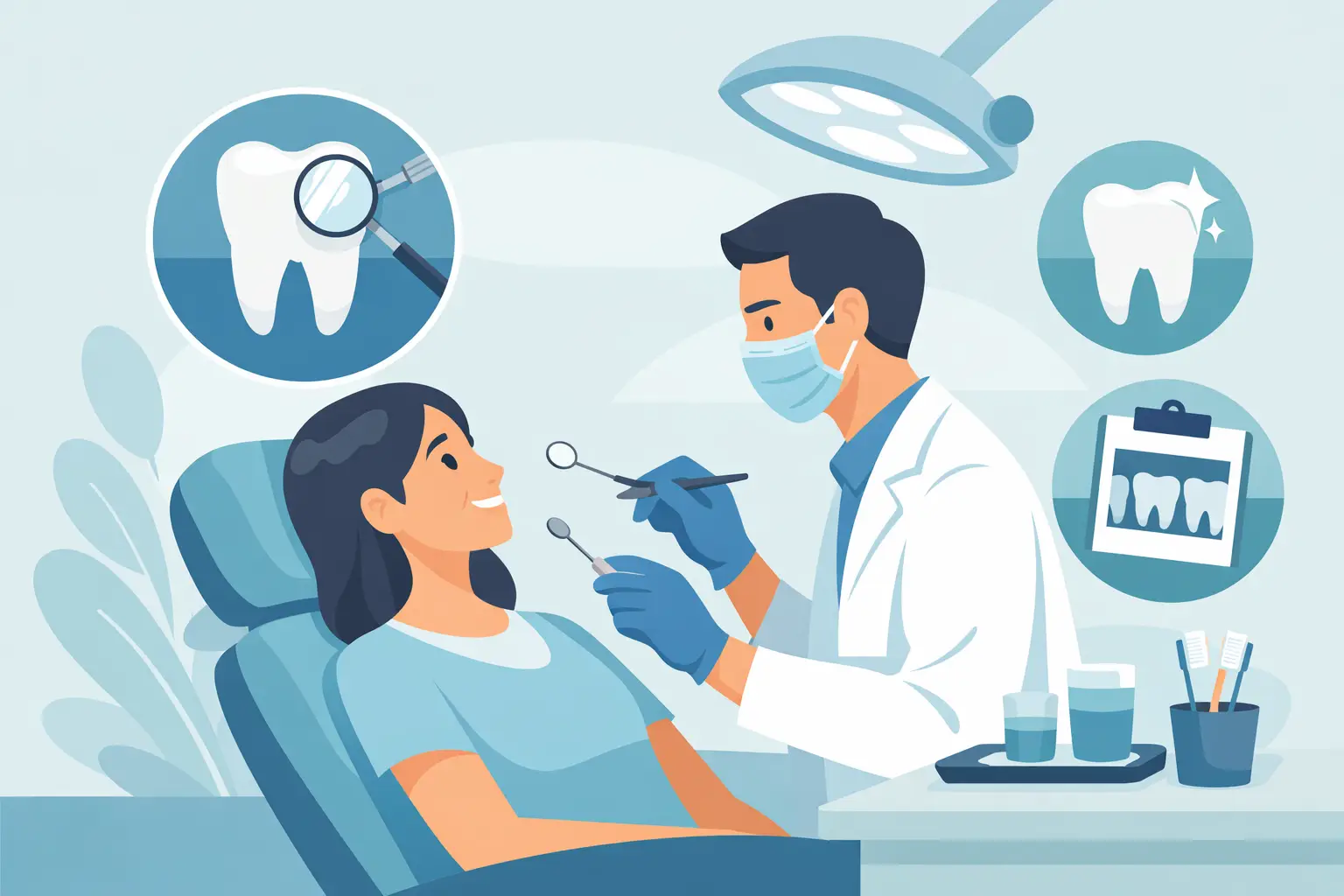
A checkup is not just a quick look at your teeth. It is a focused visit that helps your dentist understand what is happening with your teeth, gums, bite, and overall oral health. Your appointment may include a professional cleaning, an examination, and X-rays when they are clinically needed.
During the cleaning, a dental hygienist removes plaque and hardened buildup that brushing and flossing can miss. This is especially helpful around the gumline and between teeth, where problems can start quietly. Your hygienist can also point out areas that may need a little more attention at home, without making you feel judged for it.
Your dentist then examines your mouth for signs of cavities, gum inflammation, worn or cracked teeth, and changes to existing fillings, crowns, or other dental work. They may also look for concerns involving your jaw, bite, tongue, cheeks, and other soft tissues.
X-rays are not necessarily taken at every visit. How often you need them depends on your dental history, your age, your risk for decay or gum disease, and what your dentist can see during the examination. They can reveal issues between teeth or below the gumline that are not visible during a regular visual exam.
Why Routine Visits Matter Even When Nothing Hurts
Dental problems do not always cause pain early on. A small cavity may not be noticeable until it has grown deeper. Gum disease can begin with bleeding or tenderness that seems minor, then progress if it is left untreated. A cracked filling or tooth can also worsen gradually, especially if you grind your teeth or chew on hard foods.
Regular visits give you a chance to address these concerns at an earlier stage. In many cases, early treatment is simpler and more conservative than waiting until a toothache, swelling, or broken tooth forces an urgent appointment.
Checkups also help keep an eye on changes that are easy to overlook at home. For example, persistent bad breath, increased tooth sensitivity, bleeding gums, or a shift in how your teeth fit together are all worth mentioning. They may have a simple explanation, but they are useful clues for your dental team.
How Often Should You Book a Dental Checkup?
Many patients benefit from a checkup and cleaning every six months, but there is no single schedule that works for everyone. Your dentist may recommend more frequent visits if you have gum disease, a history of frequent cavities, diabetes, dry mouth, orthodontic appliances, or certain medications that affect your oral health.
Children also benefit from regular dental visits. Early appointments help kids become comfortable at the dentist while allowing the team to monitor tooth development, brushing habits, and possible alignment concerns. For parents, scheduling family appointments around the same time can make routine care easier to manage.
If it has been longer than six months since your last visit, do not let that stop you from booking. Dental teams see patients who are overdue all the time. The most helpful next step is simply making an appointment and getting a clear picture of your current oral health.
What to Tell Your Dentist at Your Appointment
A good checkup is a conversation, not just an examination. Let your dentist or hygienist know if you have noticed sensitivity to hot or cold foods, pain when biting, bleeding gums, jaw clicking, headaches, dry mouth, or changes in your medical history.
It is also helpful to mention dental anxiety. Many people feel nervous about appointments, especially if they have had a difficult experience in the past or have delayed care for a long time. Sharing that concern allows the team to explain what is happening, move at a comfortable pace, and discuss your options before treatment begins.
Bring up practical questions, too. If you have dental insurance, ask how your plan may apply to your visit or any recommended treatment. If you are concerned about costs, ask for a clear explanation before moving forward. Good dental care should not leave you guessing about the next step or the expected expense.
Making Dental Care Easier for Busy Families
Convenience matters when you are choosing a family dentist. A practice that offers appointment-based care, clear communication, and direct insurance billing can remove some of the usual stress from scheduling dental visits.
At Parliament Street Dentistry, patients can book care for routine checkups, consultations, and treatment needs in one local Toronto clinic. The team accepts most dental insurance plans and provides direct insurance billing, helping reduce the paperwork patients need to manage on their own. Treatment costs and financial arrangements can also be discussed clearly before care begins.
When you call or book online, it helps to have your insurance details available if you plan to use benefits. If you are booking for a child, share their age and any concerns you have noticed, such as sensitivity, trouble chewing, or reluctance to brush. This helps the clinic prepare for a smooth visit.
Between Checkups, Small Habits Make a Difference
Your home routine supports the work done during professional cleanings. Brush twice a day with fluoride toothpaste, clean between your teeth daily, and replace your toothbrush or brush head when the bristles become worn. Limiting frequent sugary snacks and drinks can also reduce how often teeth are exposed to acids that contribute to decay.
Still, good brushing does not replace regular professional care. Even careful brushers can develop buildup in hard-to-reach areas or have concerns that are not visible without an exam and occasional X-rays. Think of home care and checkups as two parts of the same plan.
If you have a toothache, swelling, a broken tooth, or bleeding that does not improve, do not wait for your next routine appointment. Contact a dentist promptly so you can understand what is happening and discuss appropriate care.
A calmer, healthier smile often starts with one appointment on the calendar. Book your dental checkup when it works for your schedule, ask the questions that matter to you, and leave with a clear plan for what comes next.