
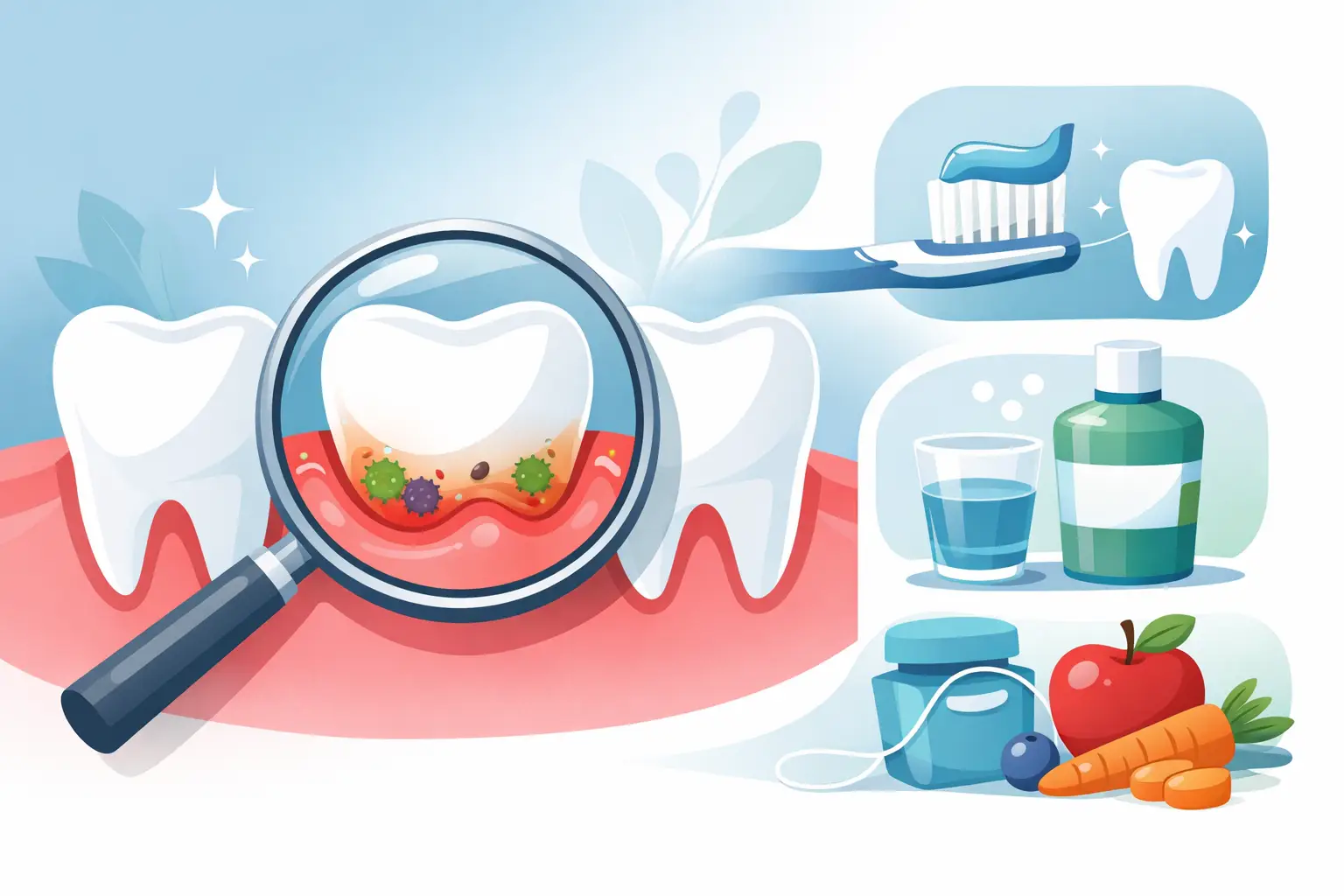
Bleeding when you brush is easy to dismiss, especially when mornings are rushed or you have just switched toothbrushes. But healthy gums generally should not bleed regularly. Learning how to prevent gum disease starts with noticing small changes early and building a routine that removes plaque before it has time to irritate the gums.
Gum disease is common, but it is not something you simply have to accept. Daily home care and regular dental visits work together to protect your gums, teeth, and the bone that supports them. The best routine is not complicated. It is the one you can follow consistently.
What Gum Disease Looks Like at First
Gum disease begins when plaque, a sticky film of bacteria, is left along the gumline. If it is not removed thoroughly, the gums can become inflamed. This early stage is often called gingivitis. You may notice redness, swelling, bleeding during brushing or flossing, tenderness, or bad breath that keeps returning.
At this stage, gum inflammation can often improve with better plaque removal and professional cleaning. When it is left untreated, however, the infection can move below the gumline and affect the tissues and bone that hold teeth in place. This more advanced form of gum disease may cause gum recession, loose teeth, discomfort when chewing, or changes in how your teeth fit together.
The key is not to wait for pain. Gum disease can progress quietly, and many people do not feel significant discomfort in the beginning.
How to Prevent Gum Disease at Home
Your toothbrush, floss, and a few minutes of attention each day make a real difference. The goal is to remove plaque from both the visible tooth surfaces and the narrow spaces where teeth meet the gums.
Brush Twice a Day, Gently and Thoroughly
Brush for two minutes, twice daily, with a soft-bristled toothbrush and fluoride toothpaste. Place the bristles at a slight angle toward the gumline and use small, gentle motions. Scrubbing hard does not clean better. In fact, aggressive brushing can irritate your gums and wear away tooth structure near the gumline.
An electric toothbrush can be useful if it helps you brush for the full two minutes or makes it easier to reach the back teeth. A manual toothbrush can work just as well when used carefully and consistently. Replace the brush head or toothbrush about every three months, or sooner if the bristles are frayed.
Clean Between Your Teeth Every Day
A toothbrush cannot fully clean the tight spaces between teeth. Daily flossing, interdental brushes, or a water flosser can help remove plaque and food debris from these areas.
The right option depends on the spacing of your teeth, the condition of your gums, and any dental work you have. Traditional floss is effective for many people, while small interdental brushes may be easier around wider spaces, bridges, or braces. A water flosser can be a helpful addition, but it should not replace brushing. If you are unsure which tool fits your needs, ask your dental team to show you how to use one properly.
If your gums bleed when you first begin flossing regularly, do not stop immediately. Bleeding can be a sign of inflammation caused by plaque. Gentle, daily cleaning may reduce it over time, but bleeding that continues for more than a week or two should be checked by a dentist.
Use Mouthwash as an Extra Step, Not a Shortcut
An antimicrobial or fluoride mouthwash may support your routine, especially if your dentist recommends one for your specific needs. It can freshen breath and reach some areas that are difficult to brush. But mouthwash does not remove the sticky plaque that brushing and cleaning between teeth remove.
Think of it as an extra layer of support, not a substitute for the basics.
Everyday Choices That Affect Your Gums
Your mouth is affected by more than your brushing routine. Smoking and vaping can make gum disease more likely and can also make it harder to notice bleeding, one of the early warning signs. Quitting tobacco is one of the strongest steps you can take for both gum health and overall health. If quitting feels difficult, speak with your health care provider about support that fits your situation.
A balanced diet also helps. Frequent sugary snacks and sweet drinks feed the bacteria that contribute to plaque buildup. You do not need a perfect diet to care for your teeth, but drinking water more often, limiting constant sipping of sweet beverages, and choosing tooth-friendly snacks can help. Crunchy fruits and vegetables are good additions to meals, but they do not replace brushing or flossing.
Dry mouth deserves attention, too. Saliva helps rinse away food particles and supports the mouth’s natural defenses. Some medications, medical conditions, dehydration, and mouth breathing can leave your mouth dry. Sipping water can help, but persistent dry mouth is worth discussing at a dental appointment or with your physician.
Keep Up With Dental Checkups and Cleanings
Even careful brushers develop hardened plaque, known as tartar or calculus, in areas that are hard to reach. Once plaque hardens, it cannot be removed with a toothbrush or floss at home. A professional cleaning removes those deposits and gives your dental team a chance to check your gums for early concerns.
How often you need a cleaning depends on your oral health. Some patients do well with routine preventive visits, while others need more frequent gum care because of past gum disease, diabetes, smoking, certain medications, or a tendency to build up tartar quickly. There is no one schedule that fits every person.
Regular visits are also a practical opportunity to ask questions. If flossing feels awkward, your gums bleed, or you are not sure whether a mouthwash is worth using, a quick demonstration can make your home routine much easier.
Know When to Book an Appointment
Do not wait for your next scheduled visit if you notice ongoing bleeding, swollen or tender gums, persistent bad breath, gums pulling away from teeth, pus near the gumline, or a loose tooth. These symptoms do not always mean advanced gum disease, but they do deserve a professional evaluation.
Parents should also watch for gum bleeding in children and teens. Good habits are easier to build early, particularly once permanent teeth begin to come in and brushing every surface becomes more challenging. Helping children brush, encouraging daily cleaning between teeth when appropriate, and keeping routine checkups on the calendar can protect their smiles as they grow.
Make Prevention Easier to Maintain
The most effective habit is usually the one that removes obstacles. Keep floss or interdental brushes where you will see them. Use a timer or the built-in timer on an electric toothbrush. If nighttime brushing gets skipped when you are tired, try brushing earlier in your evening routine rather than waiting until the last minute.
For busy families and working adults, scheduling the next checkup before leaving the office can prevent routine care from slipping away. At Parliament Street Dentistry, patients can also discuss treatment costs clearly and use direct insurance billing, helping make preventive visits easier to plan.
Healthy gums are built through small, repeatable actions: careful brushing, daily cleaning between teeth, and timely professional care when something changes. If your gums are bleeding or you are due for a checkup, booking an appointment now can give you clear answers and a practical plan for a healthier smile.