
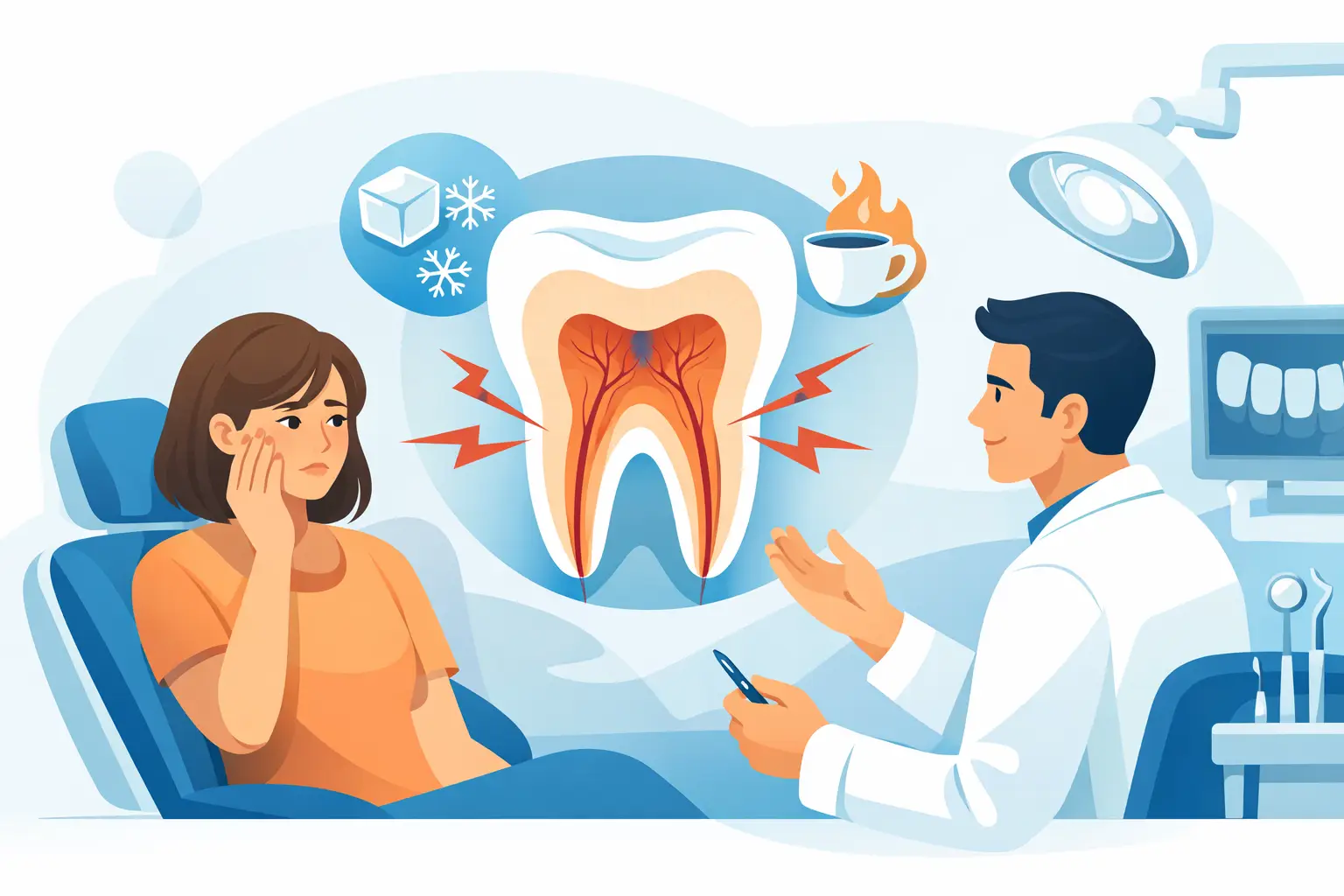
That sharp jolt from iced water, hot coffee, or a bite of something sweet can make you start chewing on one side of your mouth. A tooth sensitivity dentist appointment is the right next step when the pain is recurring, getting stronger, or keeping you from enjoying ordinary foods and drinks.
Sensitive teeth are common, but the reason behind them is not always obvious. Sometimes the fix is simple, such as changing your toothpaste or treating an exposed area. Other times, sensitivity is an early sign of decay, a cracked tooth, gum recession, or a worn filling. A dental visit helps separate a short-term irritation from a problem that needs treatment.
When to Book a Tooth Sensitivity Dentist Appointment
You do not have to wait until tooth sensitivity becomes severe. Book an appointment if cold, heat, sweets, or brushing causes discomfort more than once or twice. A quick sting that stops immediately can still be worth discussing at your next checkup, especially if it affects the same tooth every time.
Call sooner if the pain lingers after the trigger is gone, wakes you up, hurts when you bite down, or is accompanied by swelling, a bad taste, fever, or a visible crack. These symptoms can point to a deeper issue that should be checked promptly.
Sensitivity after a recent dental cleaning, whitening treatment, or new restoration can also happen. In some cases, it settles as the tooth adjusts. Still, let your dentist know if the pain is intense or does not improve. It is always better to ask than to guess.
What Causes Sensitive Teeth?
A tooth has a protective outer layer called enamel. Beneath it is dentin, which contains tiny pathways that lead toward the nerve inside the tooth. When enamel wears down or the gumline recedes, hot, cold, acidic, or sweet foods can stimulate those pathways and cause a sharp sensation.
Brushing too hard, using a firm toothbrush, frequent acidic drinks, grinding your teeth, and gum disease can all contribute to exposed dentin. Sensitivity can also come from tooth decay, a broken filling, a crack, or an infection. This is why two people with the same symptom may need very different care.
For example, sensitivity affecting several teeth may be linked to enamel wear or gum recession. Pain that is focused on one tooth, particularly when biting, may need a closer look for a crack, cavity, or restoration problem. Your dentist will look at the pattern, not just the pain itself.
What Happens During Your Visit?
Your appointment should begin with a simple conversation. Be ready to describe what triggers the sensitivity, when it started, whether it is getting worse, and whether the pain is brief or lasts for several seconds or minutes. Mention recent whitening, dental work, injuries, clenching, or changes in your brushing routine.
The dentist will examine your teeth and gums for signs of decay, worn enamel, gum recession, cracks, loose fillings, and inflammation. They may gently test the affected tooth with air, cold, pressure, or a light tap to identify where the discomfort is coming from. These tests are brief and help narrow down the cause.
X-rays may be recommended when the dentist needs to check between teeth, under an existing filling, or around the roots. Not every patient needs an X-ray at every sensitivity visit. The decision depends on your symptoms, your dental history, and what the exam shows.
This is also a good time to talk openly about dental anxiety, past treatment experiences, and practical concerns. A patient-first office should explain what it sees, why a treatment is being recommended, and what can happen if you choose to monitor the tooth instead.
Treatment Depends on the Cause
There is no one treatment for sensitive teeth, and that is good news: care can be targeted to the problem rather than relying on a temporary fix.
If sensitivity comes from mild enamel wear or exposed root surfaces, your dentist may recommend a desensitizing toothpaste, fluoride treatment, or a protective coating. These options can reduce discomfort over time, but they may not create an immediate change after one use. Consistency matters.
When gum recession is exposing the tooth root, treatment may focus on protecting that area and improving gum health. A dentist may also suggest changes to brushing technique, a softer toothbrush, or a night guard if clenching and grinding are wearing down your teeth.
If decay, a leaky filling, or a small fracture is causing the problem, repairing the tooth may stop the sensitivity and prevent further damage. Deeper pain can mean the nerve inside the tooth is affected. In that situation, more involved treatment, such as root canal treatment and a crown, may be discussed. The goal is to relieve pain while preserving the tooth whenever possible.
What You Can Do Before the Appointment
Until you are seen, avoid foods and drinks that reliably trigger the pain. Extreme temperatures are often the hardest on sensitive teeth, so choosing lukewarm drinks for a few days can make meals more comfortable.
Brush gently with a soft-bristled toothbrush and use a toothpaste made for sensitivity. Do not scrub aggressively in an effort to make the tooth feel cleaner. Hard brushing can wear the gumline and enamel further. Floss carefully as usual, unless flossing causes severe pain or you notice significant bleeding, in which case mention it when you call.
Try not to rely on pain medicine to push through worsening symptoms. Over-the-counter medication may help you stay comfortable, but it does not address a cavity, crack, or infection. Avoid placing aspirin or other medication directly on the tooth or gum. It can irritate the tissue and will not treat the cause.
Questions Worth Asking Your Dentist
A productive visit is not only about receiving a treatment recommendation. It is also about understanding your options. Ask what is likely causing the sensitivity, whether the problem is urgent, and what may happen if treatment is delayed.
You can also ask whether there is a conservative option to try first, how long relief should take, and what signs mean you should call back. If a restoration or more extensive procedure is recommended, ask about the expected cost, insurance coverage, and available financial arrangements before treatment begins.
For many families, the financial side of care is part of the stress. Parliament Street Dentistry accepts most dental insurance plans, offers direct insurance billing, and discusses treatment costs clearly so patients can make informed decisions without unnecessary surprises.
How to Make Your Appointment Easier
When you call or book online, tell the office that you are experiencing tooth sensitivity and say whether you have swelling, persistent pain, or trouble biting. This helps the team understand whether you may need to be seen sooner.
Bring your insurance information and a list of medications if you are a new patient. If you have had recent dental X-rays elsewhere, let the office know. It may help avoid repeating images when they are still appropriate for diagnosis.
Parents can use the same approach for children. A child who avoids cold foods, complains during brushing, or points to one tooth may be dealing with more than a passing sensitivity. Early attention can often mean simpler care and a less stressful visit.
Sensitive teeth can make small daily routines feel frustrating, but you do not need to diagnose the problem on your own. Booking a visit gives you clear answers, practical options, and a plan based on what your teeth actually need. If that next sip of cold water has you bracing for pain, make the call and give your smile the attention it is asking for.