
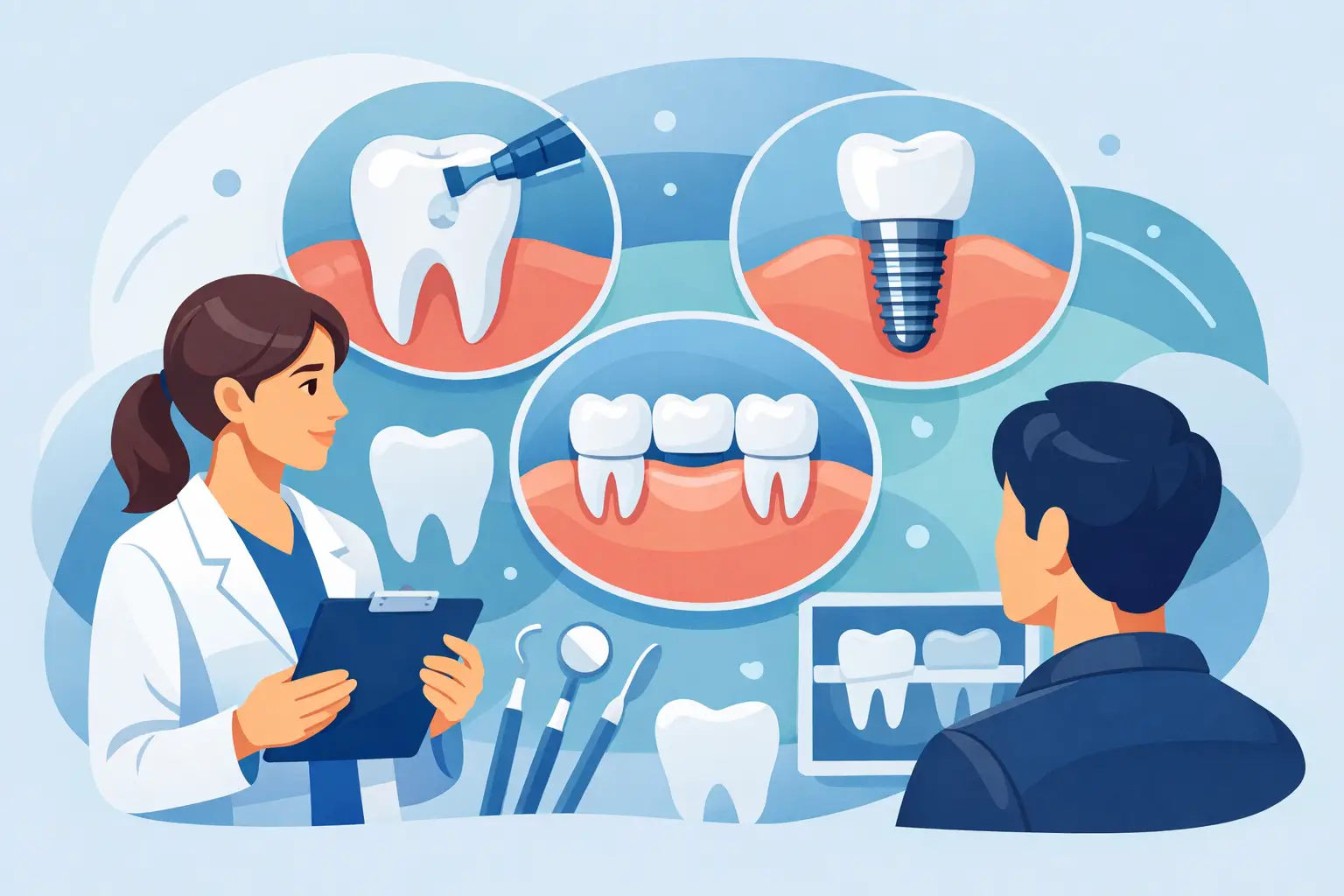
A sore tooth before a workday, a child with a chipped tooth, or gums that bleed when you brush can make a dental decision feel urgent. Understanding dental treatment options starts with knowing that you do not have to decide everything on your own. A dental exam and a clear conversation can show what needs attention now, what can be monitored, and what choices may be available.
At Parliament Street Dentistry, the goal is to make those conversations straightforward. Your dentist can explain the condition, recommend care based on your oral health needs, and discuss expected costs before treatment begins. That gives you room to ask questions, consider your schedule, and move forward with confidence.
Start With a Dental Exam, Not a Guess
Many dental problems look similar from the outside. Sensitivity may come from a cavity, a cracked tooth, gum recession, or an old filling that no longer seals properly. Jaw discomfort may relate to clenching, tooth alignment, or an infection. An exam, X-rays when appropriate, and a review of your symptoms help identify the actual cause.
This first step matters because the best treatment is not always the biggest treatment. A small cavity may only need a filling, while an early gum concern may improve with professional cleaning and better home care. Treating a problem early can often mean a simpler, less expensive visit than waiting until pain becomes severe.
During your consultation, tell the dental team what you have noticed: when discomfort started, whether hot or cold foods trigger it, any changes in chewing, and your health history. If you feel nervous about treatment or have had a difficult experience before, say so. Your comfort is part of planning care.
Understanding Dental Treatment Options by Need
Dental treatment is usually grouped around prevention, repair, gum health, tooth replacement, and urgent care. The right option depends on the health of your teeth and gums, how much tooth structure remains, your goals, and practical factors such as timing and budget.
Preventive care protects what is healthy
Checkups and professional cleanings are the foundation of family dental care. They help remove buildup that brushing alone cannot remove and give your dentist a chance to spot changes early. Preventive visits can also include X-rays when needed, fluoride recommendations, sealants for children, and personalized brushing or flossing guidance.
Prevention is not only for people with perfect teeth. It is especially useful if you have fillings, crowns, gum concerns, dry mouth, diabetes, orthodontic appliances, or a history of cavities. Your dentist may recommend a different recall schedule based on your individual risk rather than using the same timing for every patient.
Fillings repair cavities and minor damage
When decay creates a small hole in a tooth, a filling removes the damaged area and restores the tooth’s shape and function. Tooth-colored fillings are commonly used because they blend naturally with surrounding enamel.
A filling is generally appropriate when enough healthy tooth remains. If decay or a fracture is more extensive, a filling may not provide enough support over time. In that case, your dentist may discuss a crown or another restoration that covers and protects more of the tooth.
Crowns strengthen weakened teeth
A dental crown is a custom covering that fits over a tooth. It may be recommended after a large filling, significant break, root canal treatment, or wear that has weakened the tooth. Crowns are designed to restore strength while allowing you to chew comfortably.
The trade-off is that crowns require more preparation than fillings and typically involve a higher cost. Still, protecting a compromised tooth can help prevent it from breaking further. Your dentist can explain whether a crown is necessary now or whether a more conservative option is reasonable to consider.
Root canal treatment can save an infected tooth
Inside every tooth is soft tissue called pulp. If deep decay, trauma, or a crack allows bacteria into that area, the tooth may become painful or infected. Root canal treatment removes the infected tissue, cleans the inside of the tooth, and seals it so the tooth can remain in place.
Many people associate root canals with pain, but treatment is intended to relieve pain caused by infection. Afterward, a crown is often recommended for back teeth because they can become more fragile. Saving a natural tooth is often preferable when it has a good long-term outlook, though your dentist will discuss all appropriate choices.
Gum treatment supports the teeth beneath the surface
Healthy gums hold your teeth in place. Bleeding, swelling, persistent bad breath, or receding gums can be signs that professional attention is needed. Early gum disease may respond to improved home care and regular cleanings. More advanced gum disease may require deeper cleaning below the gumline and ongoing periodontal maintenance.
Gum disease can progress quietly, so it is possible to have it without significant pain. Treating it is about more than fresh breath. It helps protect the bone and tissues that support your teeth, which is essential for keeping your natural smile long term.
Replacing missing teeth is a personal decision
A missing tooth can affect chewing, speech, confidence, and the way neighboring teeth move over time. Depending on your situation, replacement options may include a bridge, denture, or dental implant. Each has different benefits, treatment timelines, maintenance needs, and costs.
An implant replaces a tooth root and can provide a fixed-feeling result, but it requires sufficient bone, good gum health, and a longer process. A bridge may be a practical option when neighboring teeth already need crowns. Dentures can replace several or all missing teeth and may be the most suitable choice for some patients. There is no single best answer for everyone.
How to Compare a Recommended Treatment Plan
When your dentist recommends treatment, ask what problem it addresses and what may happen if you wait. You should also understand the expected lifespan of the restoration, alternatives that may be clinically appropriate, how many visits are involved, and how to care for the result at home.
Cost deserves a direct conversation, too. A lower-cost option may be appropriate in some cases, while another option may provide greater durability or function over time. The best decision balances your dental health with your priorities. If treatment is not urgent, your dentist may be able to phase care so the most important needs are handled first.
For families, it can help to separate immediate needs from routine care. A painful tooth, swelling, a broken restoration, or signs of infection should be assessed promptly. A cosmetic concern or a treatment that is stable may allow more planning time. Your dental team can help you understand that difference without pressure.
Make Insurance and Costs Part of the Conversation
Insurance plans can reduce out-of-pocket costs, but coverage varies by plan, frequency limits, and the type of procedure. Coverage is not always the same as what is clinically recommended. A treatment can be beneficial even when an insurance plan pays only part of the cost.
Parliament Street Dentistry accepts most dental insurance plans and offers direct insurance billing to help reduce paperwork for patients. Before treatment, ask for a clear estimate of what your plan may cover and what you may be responsible for paying. Transparent cost discussions allow you to plan without surprises.
If you are booking for a child, spouse, or parent, bring any insurance information you have and let the team know about concerns ahead of the appointment. A little preparation can make the visit easier for everyone.
When to Book a Dental Appointment
Do not wait for a problem to become unbearable. Book an appointment if you have tooth pain, swelling, a cracked or knocked-out tooth, bleeding gums, a loose filling or crown, ongoing sensitivity, or a change in how your teeth fit together. If you are not experiencing symptoms, regular checkups are still the best way to catch concerns early.
A healthy smile is built through small, timely decisions, not perfect dental habits. Whether you need a routine checkup, want a second conversation about a recommendation, or have a problem that cannot wait, contact Parliament Street Dentistry to book an appointment and get clear answers about your care.