
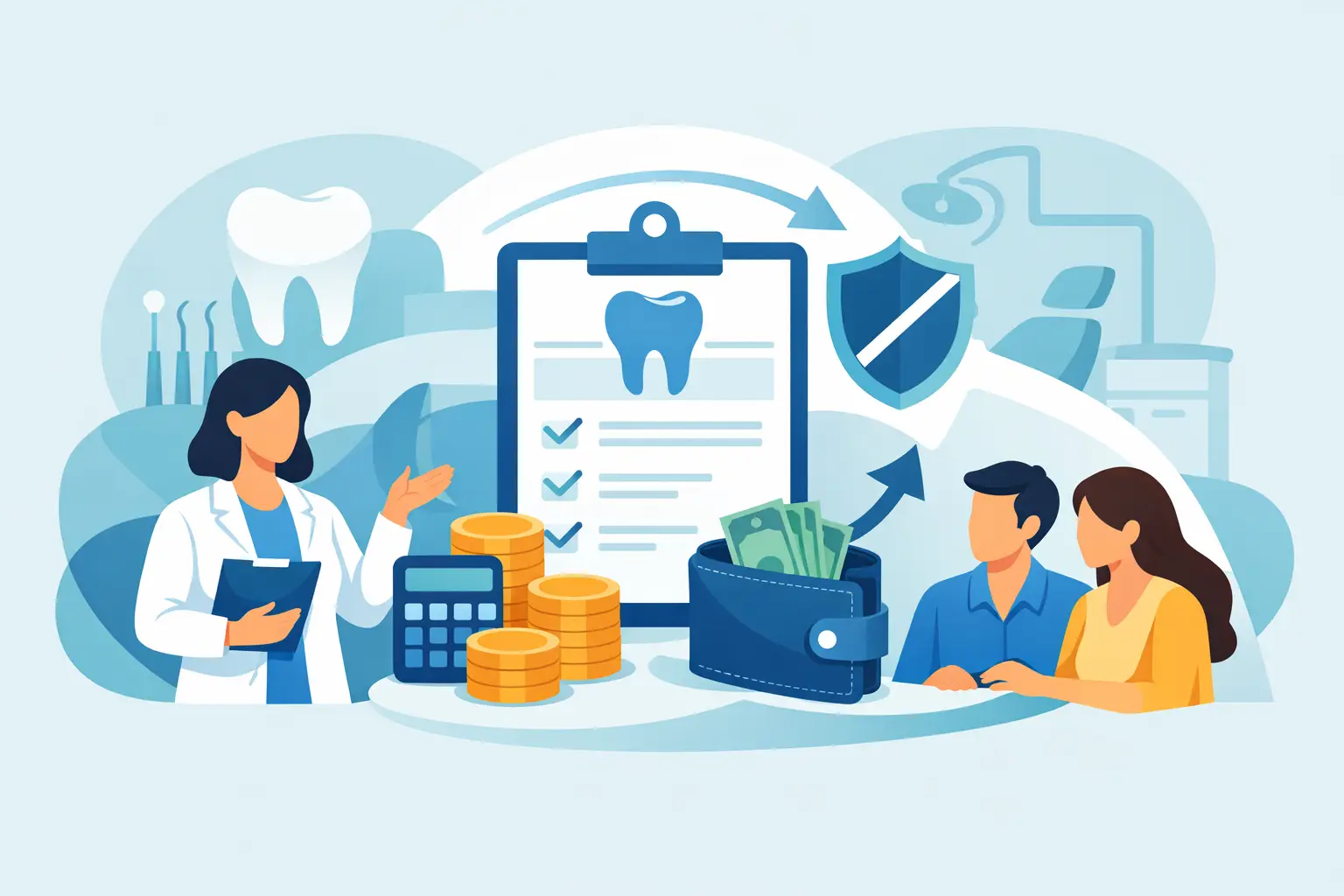
A sore tooth, a broken filling, or a child due for a checkup should not automatically mean putting dental care off. Dentist payment plans without insurance can help make treatment costs more manageable when you are paying out of pocket. The right arrangement depends on the treatment you need, your budget, and the payment options available at your dental office.
At Parliament Street Dentistry, the goal is to make cost conversations clear before treatment begins. Whether you are booking a routine visit or discussing a larger treatment plan, asking questions early gives you more control over your next steps.
What are dentist payment plans without insurance?
A dentist payment plan is an arrangement that lets a patient spread the cost of dental care over time rather than paying the entire amount at one appointment. For patients without dental insurance, this may be offered directly through a dental office or through a third-party financing provider.
These options are not all the same. Some plans may require an initial payment, while others may offer fixed monthly payments. A financing option may include interest or fees if the balance is not paid within a promotional period. That is why it helps to review the details before agreeing to treatment, not after the work is complete.
Payment plans can be especially useful when treatment is necessary but not easily covered by a single paycheck. They may help patients move forward with care such as fillings, crowns, root canal treatment, dentures, or other planned services. For smaller routine appointments, paying at the time of service may still be the simplest option.
When a payment plan may make sense
A payment plan is not automatically the best choice just because it is available. It can be useful when it helps you address a dental concern promptly without creating an unmanageable short-term expense.
For example, a cracked tooth may need timely care to prevent pain or more extensive treatment later. A plan may also help a parent coordinate several family appointments, or help a patient begin a recommended treatment plan in stages. In these situations, knowing the expected cost and monthly commitment can make the decision feel less stressful.
On the other hand, if you can comfortably pay the balance at your visit, financing may add paperwork or interest that you do not need. The practical question is not simply, “Can I get a payment plan?” It is, “Does this plan fit my budget without creating a bigger financial burden later?”
Ask for a clear treatment estimate first
Before discussing monthly payments, ask your dentist for a treatment estimate. A good estimate explains the recommended procedure, the anticipated cost, and whether there are reasonable alternatives to consider.
Dental needs can vary once an exam, X-rays, or other diagnostic information is reviewed. Your dentist may find that a concern is smaller than expected, or that more treatment is needed to protect the tooth. A clear conversation gives you the opportunity to understand what is urgent, what can be monitored, and what may be safely scheduled for a later date.
If you do not have insurance, ask whether the estimate reflects the full expected out-of-pocket amount. You should also ask whether separate visits, laboratory work, or follow-up appointments could affect the total. No one enjoys financial surprises, especially when they are already dealing with tooth pain or anxiety about treatment.
Questions to ask about payment options
The simplest way to compare dental payment options is to ask direct questions. You do not need to know financial terminology to request a clear explanation. Before you commit, ask about the total cost of treatment, the amount due at the first appointment, the monthly payment amount, the payment schedule, and whether interest, late fees, or other charges may apply.
It is also helpful to ask what happens if treatment changes after it begins. In some cases, the dentist may need to adjust the plan based on what is found during care. Knowing how those changes will be discussed and priced can help you plan with confidence.
If a third-party financing provider is involved, read the agreement carefully. Pay attention to the annual percentage rate, promotional terms, minimum payment requirements, and the date by which any promotional balance must be paid. A low monthly payment can be appealing, but a longer repayment period may cost more overall.
Consider phased treatment when appropriate
Not every recommended service needs to happen on the same day. Depending on your oral health and the urgency of the issue, your dentist may be able to organize treatment in phases.
For instance, immediate care may focus on relieving pain, treating infection, or stabilizing a damaged tooth. Preventive visits or elective improvements may be scheduled later. This approach is not appropriate for every condition, but it can be a sensible way to balance health needs with household expenses.
The key is to let your dental team know if cost is a concern. Being open about your budget does not mean you care less about your oral health. It helps the office explain available choices and identify a practical path forward.
Do not skip preventive visits because you are uninsured
Without insurance, it can be tempting to wait until something hurts. Unfortunately, dental problems are often easier and less expensive to address before they become painful. A routine exam and cleaning can help identify concerns such as early decay, gum inflammation, worn fillings, or cracks before they turn into an urgent appointment.
Preventive care does have a cost, but delaying it can lead to more complex treatment later. This does not mean every patient will avoid unexpected dental needs. It simply means regular visits give you and your dentist a better chance to plan rather than react.
If you are returning to the dentist after a long gap, start with a consultation and exam. You can then discuss your oral health priorities, any immediate concerns, and the expected costs before deciding how to proceed.
Insurance, direct billing, and paying out of pocket
Some patients are uninsured, while others have limited benefits, changing coverage, or a plan that does not cover every recommended procedure. It is worth checking your coverage before your appointment if you have any dental benefits at all.
For insured patients, direct billing can reduce the amount you pay upfront by sending the eligible portion of the claim to the insurer. For uninsured patients, the focus is different: understanding the full fee, payment timing, and any available financial arrangements. In both cases, transparent cost discussions should happen before treatment whenever possible.
Bringing up finances when you book can save time at your appointment. Let the office know that you do not have insurance and would like to discuss payment options. The team can explain what information is needed and help you prepare for the conversation.
A practical way to plan for dental costs
Start by booking an appointment instead of trying to guess what treatment you need from symptoms alone. Once the dentist has examined you, ask for the recommended plan and its estimated cost. Then compare that amount with what you can pay now and what you can realistically pay each month.
Try to leave room in your budget for routine care as well as unexpected needs. Even a small amount set aside regularly can make a future visit easier to manage. If you are considering financing, choose a payment amount you can maintain consistently rather than stretching for the lowest possible immediate cost.
Dental care is personal, and so is the financial side of it. A straightforward conversation with your dental office can replace uncertainty with a plan that respects both your health and your budget. When you are ready, book a visit, ask your questions, and take the next comfortable step toward a healthier smile.