
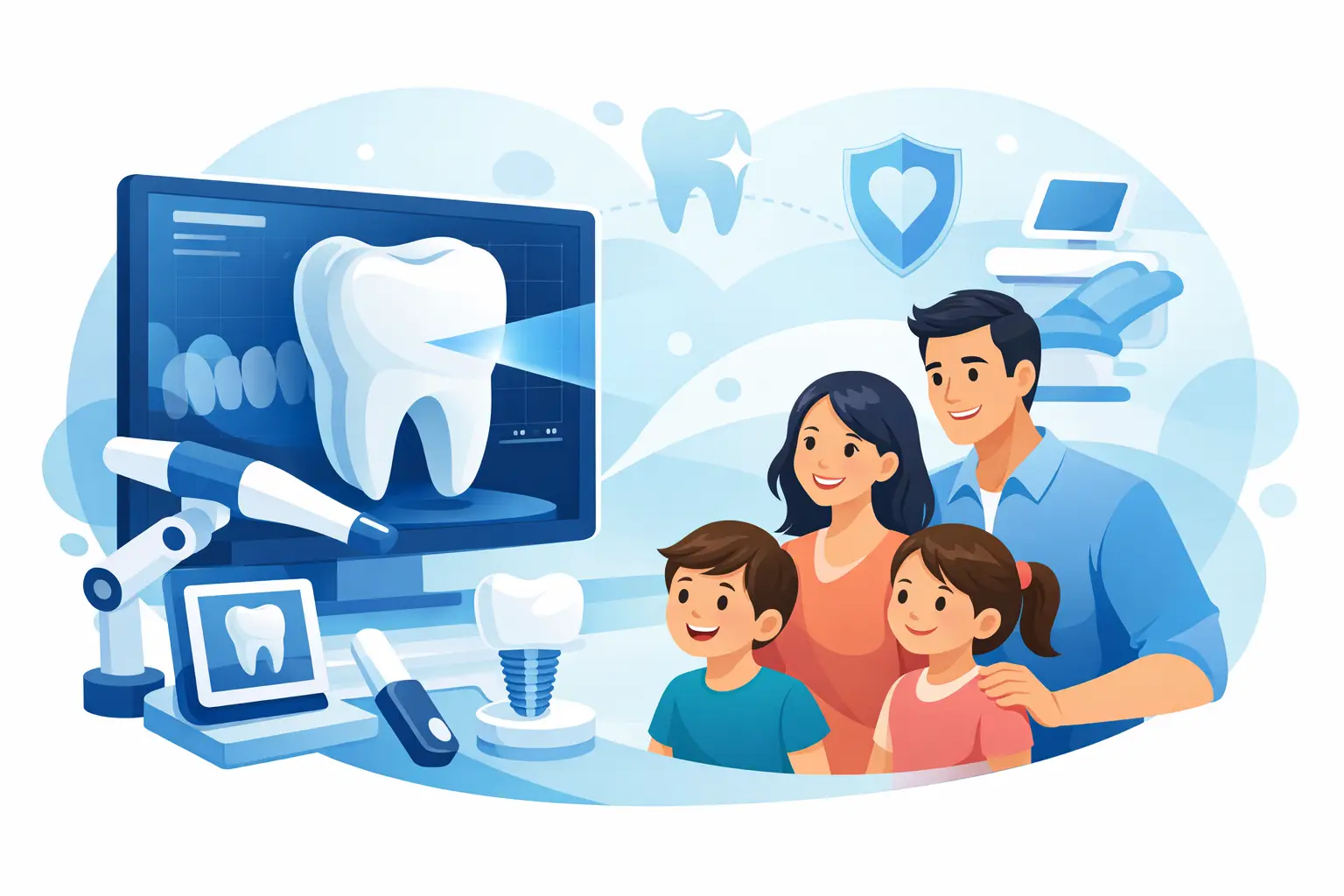
A dental visit should leave you with clear answers, not more uncertainty. The real modern dental technology benefits are not about impressive-looking equipment. They are about helping your dentist see concerns sooner, explain treatment more clearly, and make appointments more comfortable for children and adults alike.
For Toronto families balancing work, school, appointments, and insurance details, those practical improvements matter. Technology can support better decisions, but it works best alongside a careful examination, an honest conversation about your goals, and a treatment plan that fits your needs and budget.
How Modern Dental Technology Benefits Everyday Care
Many dental concerns begin quietly. A cavity can form between teeth without causing pain. Gum inflammation may not be obvious at home. An older filling can weaken over time while still looking fine from the outside. Modern diagnostic tools can help identify these issues before they become more complicated, uncomfortable, or costly to treat.
Digital X-rays are a familiar example. They allow dentists to view areas that cannot be fully assessed during a visual exam, such as spaces between teeth, roots, and bone levels. The images are available quickly, so your dentist can review what they see with you during the visit. Rather than simply hearing that treatment is recommended, you can better understand the reason for it.
Digital imaging can also make it easier to monitor changes over time. Comparing current images with past records may help your dentist spot a developing concern and recommend a sensible next step. Sometimes that step is treatment. Sometimes it is simply watching an area carefully and maintaining strong home care.
This does not mean every appointment needs every available tool. A good dental visit is still personalized. Your age, dental history, symptoms, risk of decay or gum disease, and previous images all help determine what is appropriate.
Clearer conversations, not confusing jargon
For many patients, the hardest part of dental care is not the procedure. It is understanding what is happening and what choices are available. Visual tools can make those conversations more straightforward. When you can see an X-ray or intraoral image, questions about a tooth, filling, crown, or gum area become easier to discuss.
That transparency is especially helpful when a dentist presents more than one treatment option. You may need care soon, have a situation that can be monitored, or be deciding between a temporary repair and a longer-term solution. Technology supports the discussion, but your preferences remain part of the decision.
At Parliament Street Dentistry, the goal is to explain recommendations in plain language and discuss expected costs before treatment begins. Clear clinical information and clear financial communication belong together. Patients deserve time to ask questions about both.
A More Comfortable Experience for Many Patients
Dental anxiety is common, even among people who attend regular checkups. Sometimes it comes from a difficult past visit. Sometimes it is concern about discomfort, unfamiliar sounds, or not knowing how long an appointment will take. Modern techniques and equipment can help make care feel more predictable and less stressful.
Digital tools often reduce waiting during an exam because images can be reviewed promptly. More precise planning can also help your dentist prepare for treatment with fewer surprises. For patients, that may mean a better understanding of what will happen before they sit back in the chair.
Comfort still depends on the type of procedure and each person’s needs. Technology cannot promise that every treatment will feel effortless, and no responsible dentist should suggest otherwise. A deep cavity, infected tooth, or extensive restorative procedure may still require more time and careful management. The difference is that better information can help your dental team plan thoughtfully and explain what to expect.
For children, a calm explanation can be just as valuable as the equipment itself. A family-friendly practice takes time to introduce younger patients to the appointment, answer a parent’s questions, and build positive habits early. Regular checkups also help children become familiar with dental care before a problem creates an urgent visit.
Earlier Detection Can Mean Simpler Treatment
One of the most meaningful benefits of modern dental care is the chance to address a concern earlier. Early treatment is not always small treatment, but it can prevent some problems from progressing.
A small cavity may be repaired with a filling before it reaches the inner part of the tooth. Early gum inflammation may improve with professional cleaning and better brushing and flossing habits before it advances. A cracked tooth can be assessed before repeated pressure causes a more serious break.
Prevention remains the foundation. Brushing twice a day with fluoride toothpaste, cleaning between teeth, limiting frequent sugary snacks and drinks, and keeping regular dental appointments still do much of the daily work. Technology is not a replacement for those habits. It gives your dentist another way to assess how your mouth is doing and guide care based on what they find.
For busy adults, preventive visits can also reduce guesswork. Instead of waiting for pain to tell you something is wrong, you have a consistent place to check in, review changes, and discuss concerns such as sensitivity, bleeding gums, grinding, or jaw discomfort.
Better Planning for Restorative and Family Dentistry
When treatment is needed, good planning matters. Whether you need a filling, crown, tooth replacement, or care for a painful dental problem, your dentist needs a detailed understanding of the tooth and surrounding structures. Modern imaging and clinical techniques can support that planning.
The benefit is not simply speed. In some cases, additional planning time is worthwhile because it helps your dentist choose the right approach. A tooth that can be restored should not be treated as though it cannot be saved. On the other hand, a repair that is unlikely to last may not be the best value for a patient. The right recommendation depends on your oral health, the condition of the tooth, your long-term goals, and practical factors such as cost and timing.
That is why an in-person consultation is essential. Online information can help you prepare questions, but it cannot replace an exam. Your dentist can review the findings, explain the available options, and help you decide what makes sense for your situation.
Technology Should Make Care Easier to Access
Modern care is also about the experience around the appointment. Easy scheduling, prompt communication, organized records, and clear insurance coordination remove barriers that can cause people to delay needed care.
For many families, insurance is one of those barriers. It can be frustrating to make an appointment without knowing how a plan will apply or what costs may remain. A clinic that accepts insurance plans and provides direct billing can reduce administrative stress, while still discussing expected out-of-pocket costs before treatment.
If you are booking for yourself, a child, or several family members, ask practical questions before your visit. Confirm the appointment time, share any new symptoms, bring relevant insurance information, and let the team know if you have dental anxiety or concerns about a previous experience. These details help the appointment run more smoothly and allow the dentist to focus on what you need.
What to Ask at Your Next Appointment
You do not need technical knowledge to take an active role in your dental care. Ask your dentist to show you what they are seeing and explain whether treatment is urgent, recommended soon, or safe to monitor. If treatment is advised, ask about the benefits, alternatives, expected timeline, and likely costs.
It is also reasonable to ask how technology will be used during your visit. The answer should be clear and connected to your care, not a sales pitch. The best tools help your dental team diagnose accurately, plan carefully, and communicate with you openly.
A healthy smile is built through regular care, practical choices, and a dental team you can talk to comfortably. When you are ready to book a checkup or discuss a concern, choose an appointment time that works for your family and take the first simple step toward clearer answers.